



The Evolution of Species
Galapagos Islands
In the middle of the equator
About this paradaise
The marine richness of the Galapagos Islands is unique
Galapagos’ only name leads us to think about evolution. Charles Darwin, a man that arrived at the archipelago in 1835, a remote place where only whaling boats stopped to stock up on food and continue their journey.
Darwin could not imagine what awaited him on those islands, despite the few weeks that he stayed on the islands were enough to realize something that would revolutionize the scientific world: the theory of natural selection.
He relied on something that caught the attention of the finches. His physiognomy had changed to adapt to the pressures of the environment. Darwin in 1839 would write in his book, The Evolution of Species:
“The remaining land-birds constitute a unique group of finches, related to each other in the structure of their beaks, their short tails, body shape, and plumage: there are thirteen species… All these species are characteristic of this archipelago (…) The most curious fact is the perfect gradation in the size of the beaks in the different species of geospiza, which vary from one as large as that of a great bill to that of a common finch. There are no less than six species with inconsistently classified beaks. Considering this gradation, and the diversity of structures in a small and closely related group of birds, it might be believed that, by the original poverty of birds in the archipelago, single species had been modified to achieve different ends.”
Darwin visited four of the 15 main islands of the Galapagos Islands.His trip from Peru until the archipelago took several days aboard Beagle, but now, a commercial flight takes 1:30 minutes from Guayaquil and another 45 extra minutes from the city of Quito to one of the two airports in the Galapagos located in Baltra and San Cristóbal Islands.
The islands were annexed to Ecuador in 1832, today it is a province of Ecuador, and most of its surface is part of the Galapagos National Park. In addition, to preserving marine life, a marine reserve of 200 miles was declared around it.
Surprisingly, the islands continue their movement on the Nazca plate at a rate of near 2 inches per year toward to the continent where the magma from the interior of the earth gushes through the crust, forming volcanoes on the ocean floor.
In the mid-nineteenth century, the first migrants from Ecuador landed on the islands of San Cristobal, Floreana, Isabela, and Santa Cruz, small towns that in recent decades developed rapidly with the arrival of tourism.
"Appeared as The Enchanted Islands in some maps by the 16th century"
The island of Baltra or Seymour has its history. In the Second World War, Ecuador was an ally of the USA, allowing the construction of a North American airbase to protect from a possible attack on the Panama Canal by the Germans. or Japanese. There are remains of the airstrip and buildings that housed almost 2,500 soldiers.
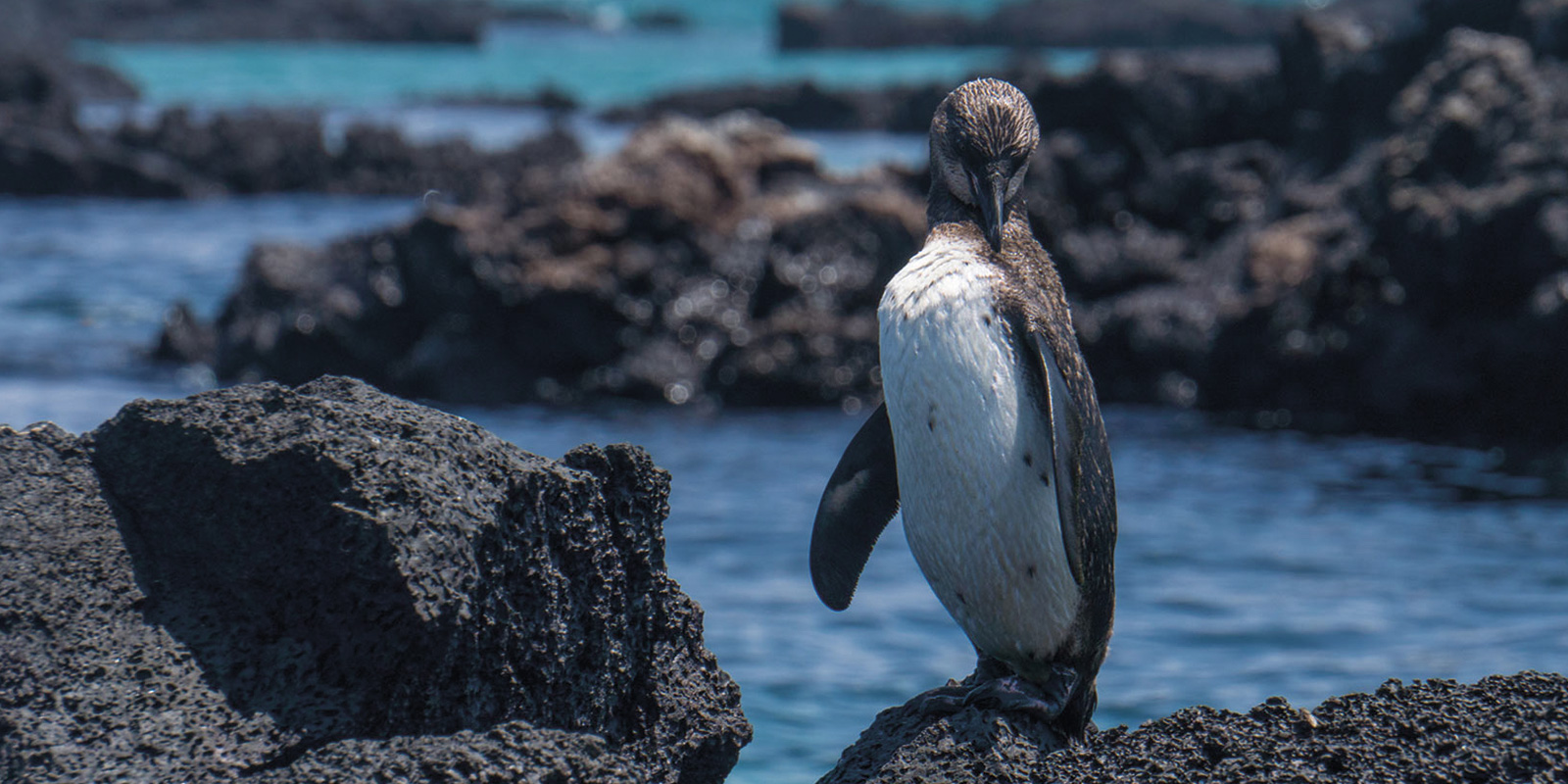
Back in the 16th century, the name of Enchanted Islands appears on some maps, this was due to the strong currents that often did not allow the sailboats to approach the islands, so there were times of the year when “they disappeared”. It is that the marine wealth is due precisely to those currents that converge in this place. The Galapagos Islands are in the middle of the equator. For this reason, the cold Humbolt current that comes from the south meets the warm current of Panama, and a countercurrent knew as the Cromwell current advances from the east; it is 62 miles deep and 250 miles wide, bringing oxygen and nutrients to the islands. One of the species that depend on this wealth of food is the Galapagos penguins, the only species of this type of bird that lives at this latitude.
Born from the fire of volcanos
The island of Baltra or Seymour has its history. In the Second World War, Ecuador was an ally of the USA, allowing the construction of a North American airbase to protect from a possible attack on the Panama Canal by the Germans. or Japanese. There are remains of the airstrip and buildings that housed almost 2,500 soldiers.
Back in the 16th century, the name of Enchanted Islands appears on some maps, this was due to the strong currents that often did not allow the sailboats to approach the islands, so there were times of the year when “they disappeared”. It is that the marine wealth is due precisely to those currents that converge in this place. The Galapagos Islands are in the middle of the equator. For this reason, the cold Humbolt current that comes from the south meets the warm current of Panama, and a countercurrent knew as the Cromwell current advances from the east; it is 62 miles deep and 250 miles wide, bringing oxygen and nutrients to the islands. One of the species that depend on this wealth of food is the Galapagos penguins, the only species of this type of bird that lives at this latitude.
How did the animals got here?
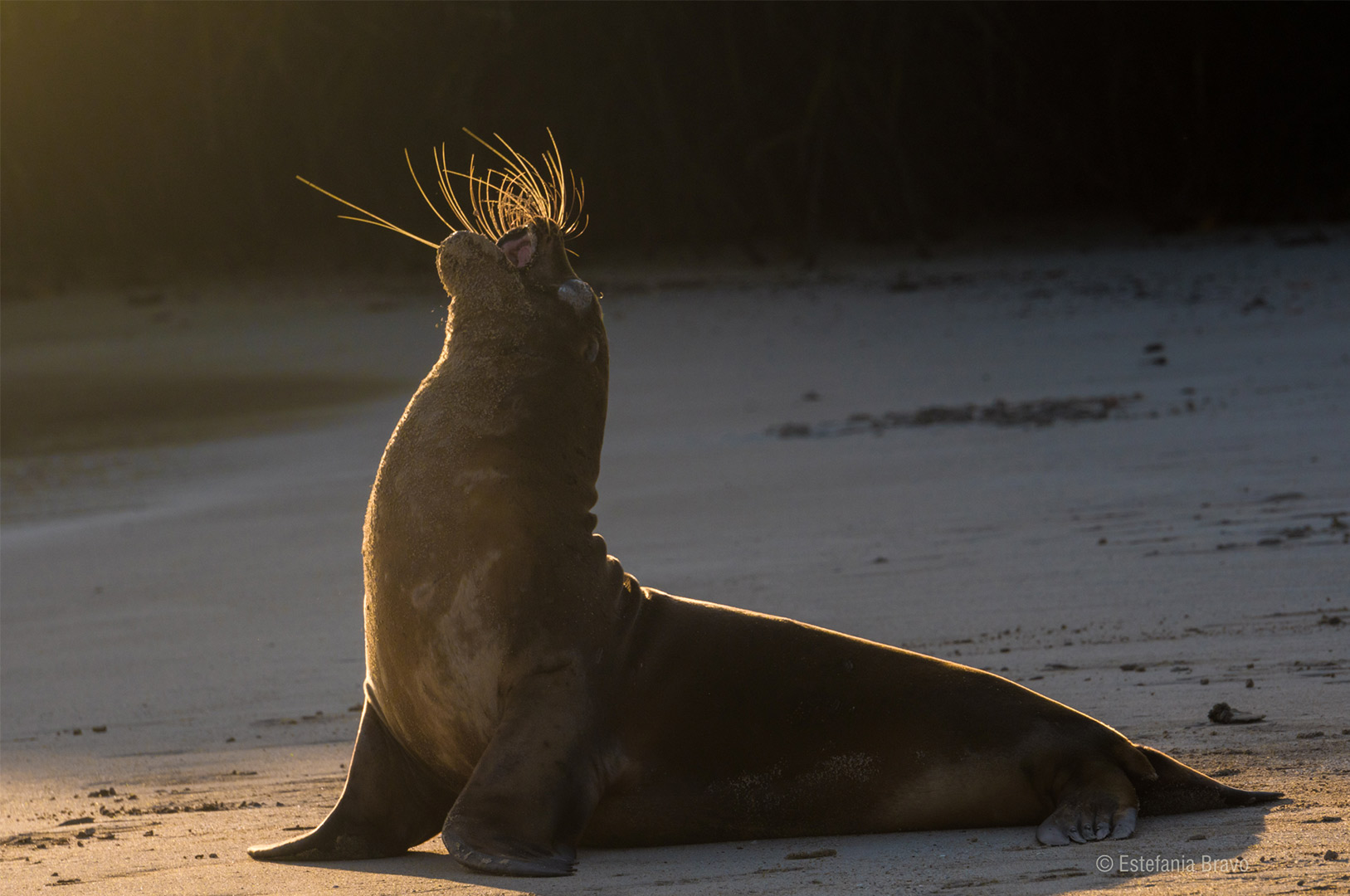
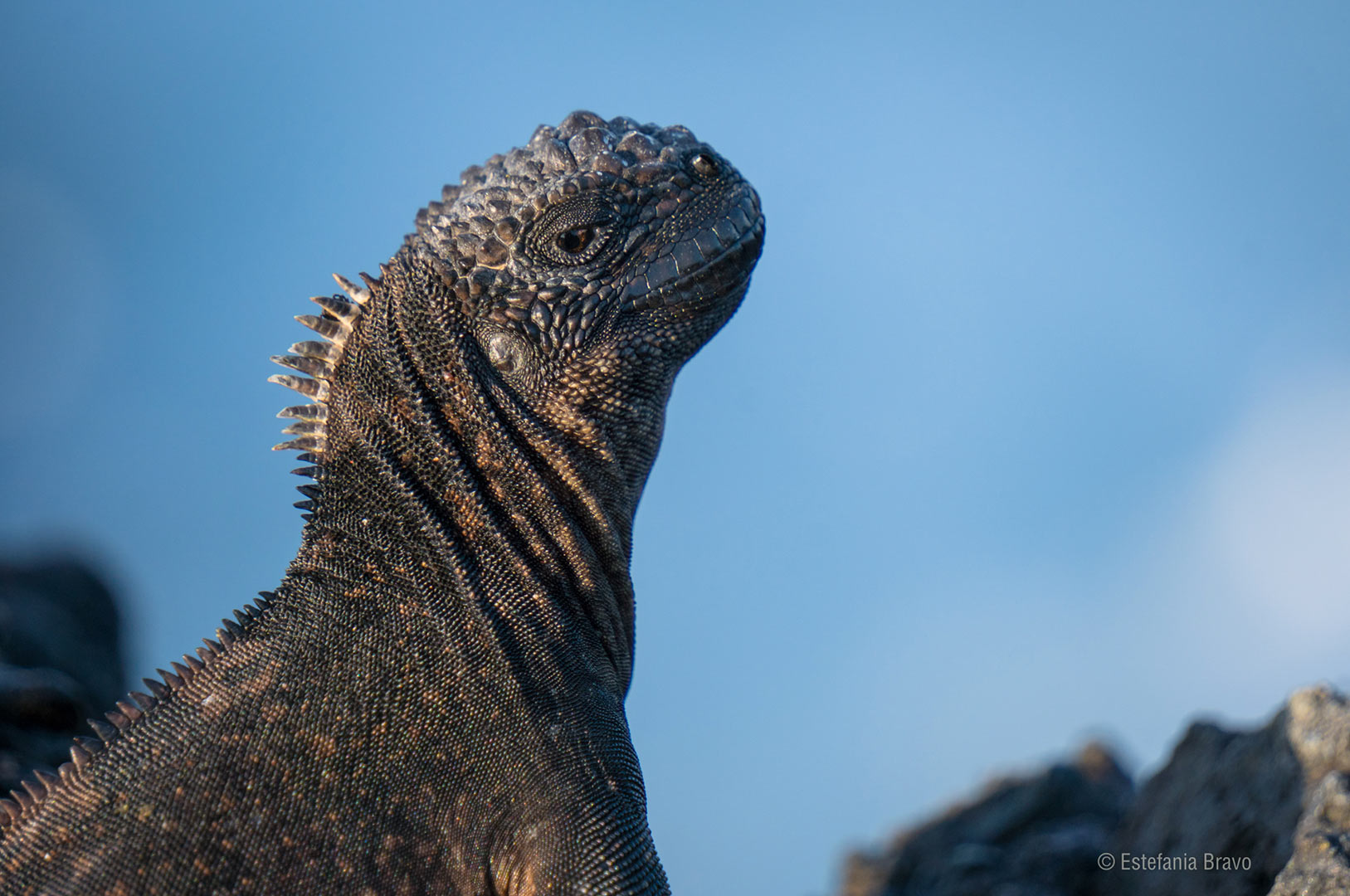
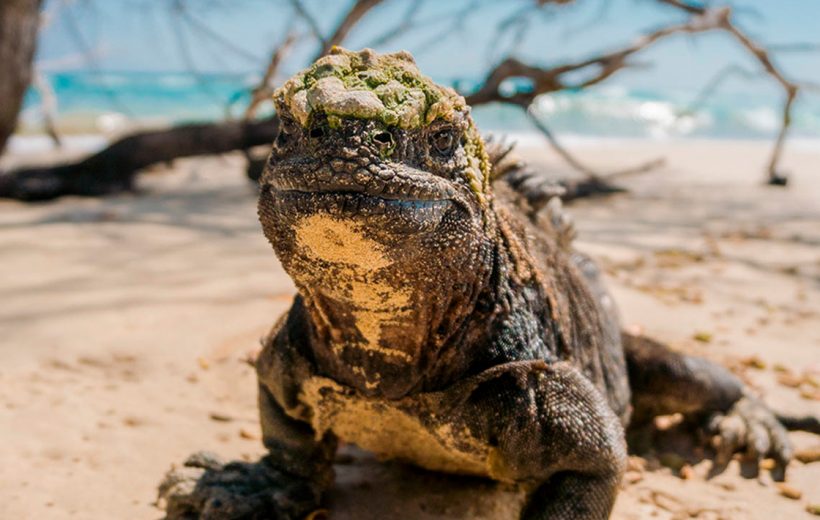
The marine richness of the Galapagos Islands is unique, with 20% endemism, which means that these species are not found anywhere else on the planet, such as the marine iguana and penguins.
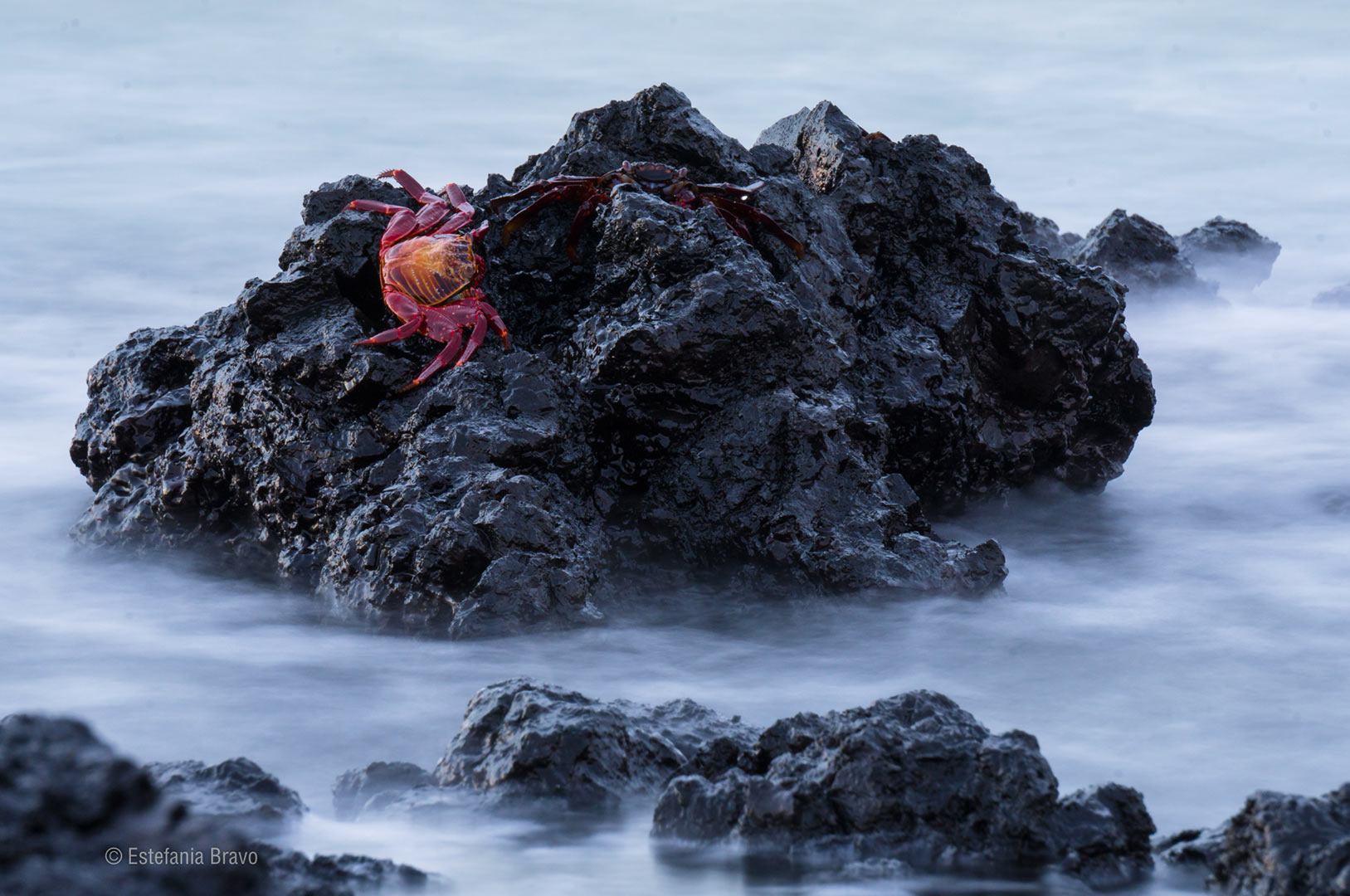
It is also the only place where you can see tunas, spotted eagle rays, golden rays, and hammerhead sharks close to shore. The volcanic formation, beaches, mangroves, salt flats, bays, shallows, coral reefs provide shelter and food for hundreds of marine species.
The first question that comes to mind is how the animals and plants got to these islands, separated by almost 1000 miles. Imagination and studies lead us to think that others could have arrived floating on a plant raft from the continent, perhaps carried by the wind, such as seeds and small insects.
Those desert islands born of volcanic eruptions, with lava flows coming out of the entrails of the planet, frozen in time, populated with small plants and animals, in millions of years survival, surprising for their adaptability and reminding us of our origins.
Time to explore
Which way is the best to explore?
Whatever your choice of travel, Galapagos will be one of the most impressive places you have ever visited.
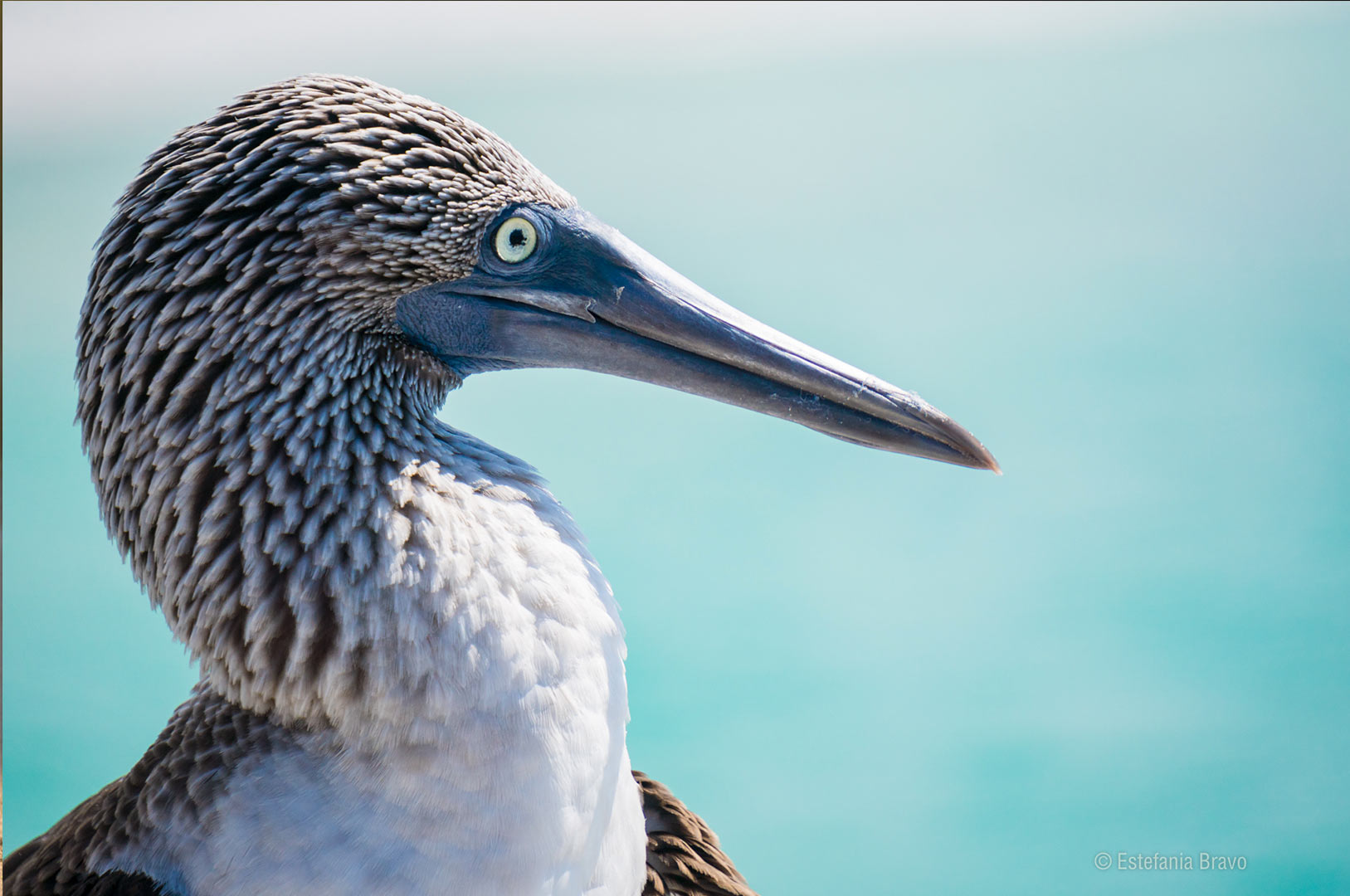
Visiting each island is going across a natural laboratory. Galapagos tortoises can live more than 100 years, finches that use tools to feed themselves, iguanas that adapt to a marine world, snakes, lizards, blue-footed boobies, flamingos of the tropics, and penguins of the cold lands.
The way to explore the Galapagos depends on your expectations. People who wish to visit several islands can board a comfortable boat with a capacity of between 16 and 100 passengers. It is an excellent option for those who would like to focus more on natural history.
Generally, walks on the trails are short, and there are several options for snorkeling; of course, this option is not the most optimal for people who suffer from seasickness.
People also have to consider that the itineraries are not flexible since cruises must follow the strict itineraries regulated by the Galapagos National Park.
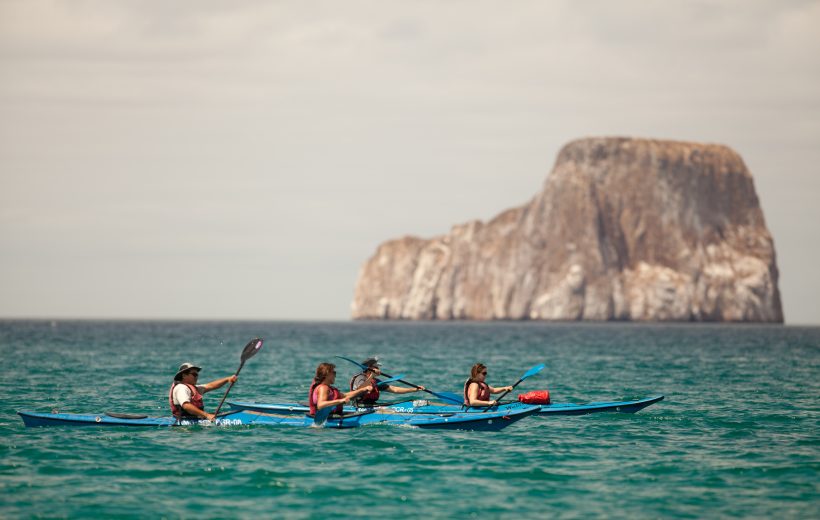
The second option is to stay in hotels on the populated islands of San Cristobal, Floreana, Isabela, and Santa Cruz. This option is perfect for active people who want greater flexibility in the itineraries without the limit of visit times. It is an option that combines sports such as hiking, snorkeling, and kayaking. In addition, crossings between islands are possible by boat or plane (there are airports in San Cristóbal, Isabela, and Santa Cruz islands).
On the other hand, for those who wish to make exclusive diving trips, there are specialized boats for this purpose.
Whatever your choice of travel, Galapagos will be one of the most impressive places you have ever visited.
Be prepara
Important Information
Cruise Base Pros
- More wildlife
- Convenient intra-island travel
- Cover greater number of islands
- Easy (not too active)
- More food (quantity)
Cruise Base Cons
- Motion sickness
- Limited activity options
- Cruises for 12 – 100 people, less personal
- Minimal interaction with locals
- Only part of the day on a beautiful destination
- Less food choices
- No extended time at destinations
- Limited activities per day (2-3)
- Fuel consumption and waste management jeopardize local flora and fauna
- Pre-determined itinerary with little flexibility
Land Base Pros
- Less Expensive
- Since 2007, landbased tours have increased significantly
- For active people (Multi-Sport)
- Private tours for any group size
- More local interaction
- Move at your own pace
- Support local economy
- Experience the islands at night
- Full day activities
- Reduced carbon footprint (ecological)
- Easy adaptability / flexibility with itinerary
Land Base Cons
- Additional personal expenses
- Travelling from one island to the other requires taking a speedboat or plane
- Packing and Unpacking on each island
You must arrive in Ecuador mainland first, either in Quito or Guayaquil International Airports. From there, you will depart to the Galapagos Islands.
Please make sure to arrive in Quito or Guayaquil at least 24 hours before your trip to the archipelago.
To get to destinations such as Cuenca, Manta, the Amazon, and the Galapagos Islands, you must depart from Quito or Guayaquil airports on a domestic flight.
The flight time from Ecuador mainland to the Galapagos depends on where you depart. Flights to the Galapagos leave from both Quito and Guayaquil airports. If you travel from Quito, you will have a 30 minutes flight until Guayaquil; there will be a short layover in the plane, about 30 minutes, before departing to the Galapagos.
Your flight from Guayaquil to the archipelago will take about 1 and 30 minutes approx.
Once you arrive in the enchanted islands, all tourists must pay an entrance park fee (cash only) that allows you to visit the archipelago.
How to travel between Islands in Galapagos
Boat rides: You can take a speed boat between Isabela, Santa Cruz, and San Cristobal islands. Each speed boat departs twice a day, in the early morning and early afternoon; it is the cheapest way to get between the islands. The ride takes about 2.5 or 3 hours.
Inter-Island Flight. There is a local airline that offers flights between Isabela, Santa Cruz, and San Cristobal islands; the flight time is about 30 minutes, it is the fastest way to transport people from one island to another.
When you visit the Galapagos Islands, you must act responsibly and treat the environment with respect. Below is a list of the most important things to keep in mind while traveling to the Galapagos.
- To protect the areas in the Galapagos National Park, a Licensed naturalist guide must be with you during all excursions.
- Travel only with tour operators and boats authorized to work in the protected areas of the Galapagos
- To help the conservation and your security at the visitor sites, please stay within the marked trails.
- Please keep your distance from wildlife; two meters (6 ft) is required. Touching animals is not allowed.
- Do not feed the wildlife. As part of nature, they can find their food. If you feed wildlife, you will alter the balance of nature.
- Do not use a camera flash during excursions. It can alter wildlife’s natural way of life. Professional photographers and filmmakers must need a written authorization from the National Park to take pictures and record in the archipelago.
- There are a few camping sites on the Galapagos Islands; you may use them by asking for a written authorization 48 hours in advance. South Expeditions is the only tour operator that offers a program that includes camping in San Cristobal Island.
- Introduce plants, animals, and certain types of food not native are a threat to the Galapagos Islands.
Please fully cooperate with the environmental inspection and quarantine services located at airports and docks in the islands.
- All garbage should be kept on your person and deposited in the correct recycling containers on your return to the populated areas.
- Smoking and do campfires are forbidden within the National Park. They are a danger to the ecosystem.
- It is forbidden to do any fishing activities from tour boats.
- Motorized aquatic sports, mini-subs, and aerial tourism are not allowed in the National Park.
Experience and Details
Predesign Galapagos Tours
Customer Reviews